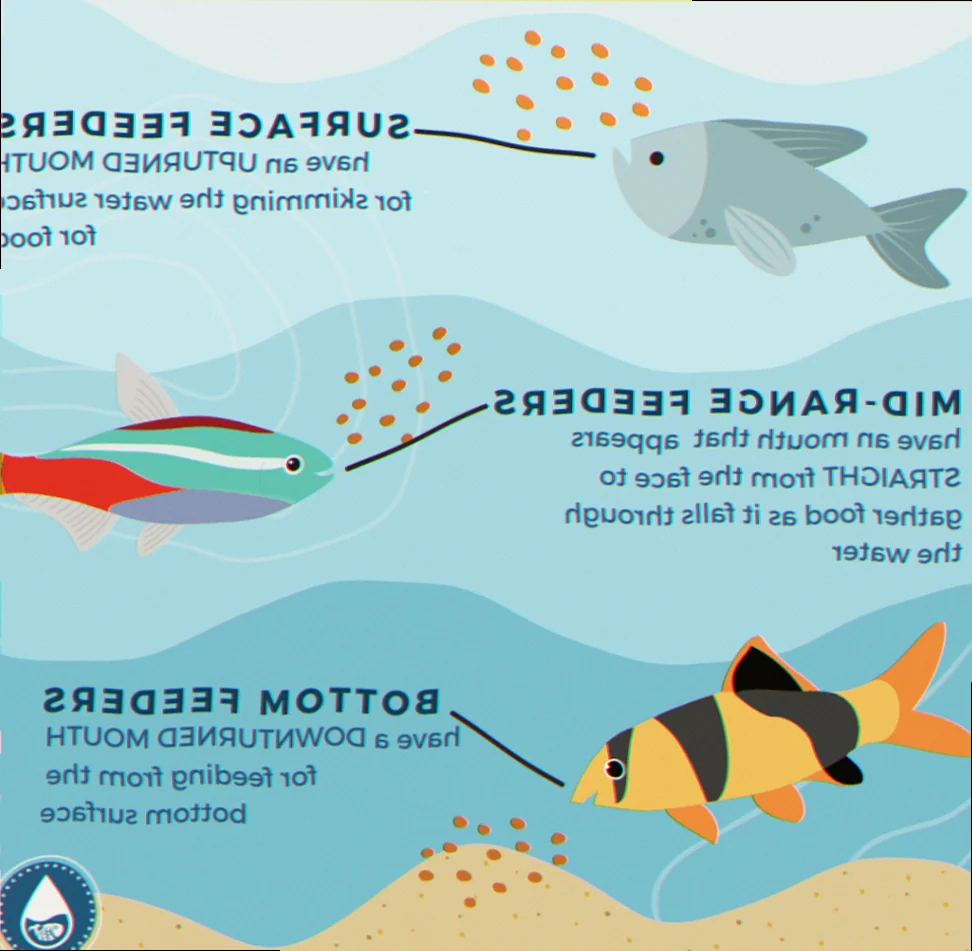
Australian fish feeding habits encompass a vast array of strategies, from intricate predator-prey dynamics in coral reefs to specialized filter-feeding in nutrient-rich estuaries. Understanding these behaviours is crucial for the health of aquatic ecosystems, as feeding patterns directly influence population dynamics, nutrient cycling, and the overall structure of marine and freshwater communities across the continent.
Scientific Classification and Description
Full taxonomy: Animalia → Chordata → Actinopterygii → Perciformes → Serranidae → Epinephelus → Epinephelus fuscoguttatus ( a representative example of a widely studied group within Australian fish). Adult specimens of Epinephelus fuscoguttatus, commonly known as the brown marbled grouper, can reach lengths of up to 1.3 metres and weigh over 30 kilograms, though average sizes are considerably smaller.
Identifying Features at a Glance
| Feature | Detail |
|---|---|
| Scientific name | Epinephelus fuscoguttatus |
| Size (adult) | Up to 1.3 metres; 30+ kg |
| Endemic range | Indo-Pacific, including northern Australian waters (Queensland, Northern Territory, Western Australia) |
| Conservation status | Near Threatened (IUCN); Not listed under EPBC Act nationally |
| Lifespan | Estimated 15+ years in the wild |
Habitat and Distribution in Australia
- Primary biome: Tropical coral reefs and rocky substrates
- Geographic range: Found in the Indo-Pacific region, with significant populations in the waters off Queensland, the Northern Territory, and Western Australia, extending into the Indian Ocean.
- Microhabitat: Prefers complex reef structures, deep crevices, caves, and areas with strong currents where prey is abundant.
- Altitude / depth range: Typically found from the surface down to depths of approximately 150 metres.
- Seasonal movement: While largely sedentary, larger individuals may exhibit some localised movements in response to prey availability or spawning aggregations.
Diet, Hunting, and Feeding Ecology
The diet of Epinephelus fuscoguttatus is primarily piscivorous, consisting of a wide variety of reef fish, including damselfish, surgeonfish, and butterflyfish. They are also known to consume crustaceans such as crabs and shrimp. Their feeding strategy is predominantly ambush predation. They lie in wait, camouflaged against the reef structure, and then rapidly lunge at unsuspecting prey. A unique foraging behaviour observed in some grouper species, including likely E. fuscoguttatus, is "head-stand hunting." This involves the fish adopting an almost vertical posture, head-down, with its tail fin waving gently. This peculiar stance is thought to disorient small fish hiding within coral branches, making them easier to detect and capture.
Reproduction and Life Cycle
Breeding season for Epinephelus fuscoguttatus in Australian waters generally occurs during the warmer months, typically from October to March. They are protogynous hermaphrodites, meaning they are born female and can later change to male. Spawning is often aggregated, with multiple individuals gathering at specific reef sites. Females can produce hundreds of thousands of eggs per spawning event. The incubation period for eggs is around 25-30 days, after which larvae are planktonic for several weeks before settling onto suitable reef habitats. Age at sexual maturity varies, but they are thought to become reproductively active around 3-5 years of age.
Unique Adaptations Exclusive to This Species
- Physiological adaptation 1 with mechanism: Remarkable camouflage abilities due to specialized pigment cells called chromatophores in their skin. These allow for rapid colour and pattern changes to match their surroundings, facilitating both ambush predation and predator evasion.
- Behavioural adaptation 2 with ecological purpose: The aforementioned "head-stand hunting" behaviour, which serves to flush out cryptic prey from complex reef structures, thereby increasing foraging success in a challenging environment.
- Sensory adaptation 3: Possess a well-developed lateral line system. This sensory organ detects vibrations and pressure changes in the water, enabling them to sense the movement of prey even in low visibility conditions or when prey is concealed.
Threats, Conservation, and Human Interaction
The primary threats to Epinephelus fuscoguttatus include overfishing, particularly due to their high market value and relatively slow growth rate. Habitat degradation, such as coral bleaching events caused by climate change and destructive fishing practices, also poses a significant risk. Invasive species are less of a direct threat to this particular species but can impact the broader reef ecosystem upon which it depends. Active conservation programmes in Australia include the implementation of size and bag limits in fisheries, the establishment of marine protected areas (e.g., parts of the Great Barrier Reef Marine Park), and ongoing research into population dynamics and stock assessments to inform sustainable management practices.
Frequently Asked Questions
Is fish feeding habits AU venomous or dangerous to humans?
No, Epinephelus fuscoguttatus is not venomous and poses no direct danger to humans. They are a popular target for recreational and commercial fishing. However, as with any large predatory fish, caution should be exercised when handling them, as they possess sharp teeth and can inflict a bite if provoked.
Where is the best place in Australia to see fish feeding habits AU in the wild?
The best locations to observe Epinephelus fuscoguttatus in its natural habitat are the diverse coral reef systems of the Great Barrier Reef off the coast of Queensland, as well as the offshore reefs of Western Australia and the Northern Territory. Snorkelling and diving in these areas, particularly around complex reef structures and drop-offs, offer the highest probability of encountering this species.
What is the difference between fish feeding habits AU and similar species?
While Epinephelus fuscoguttatus shares many characteristics with other grouper species, it can be distinguished by its specific colouration and pattern of large, irregular dark brown to black blotches on a lighter background, often with smaller dark spots. For example, the camouflage and ambush strategies are common to many serranids, but the precise hunting techniques and specific prey preferences can vary. Compared to a species like the coral trout (Plectropomus leopardus), which is also a highly prized reef predator, Epinephelus fuscoguttatus tends to be larger, has a more robust build, and occupies a slightly different niche within the reef ecosystem, often favouring deeper, more complex structures.